

Professional Nail Supply Shipping Time Expectations
Table of Contents
- Professional Nail Supply Shipping Time Expectations: The Two Timelines That Matter
- Processing Time vs. Carrier Transit Time
- Nail Supply Order Processing Time: What Happens Before Your Order Ships
- Nail Supply Delivery Time: Standard vs. Expedited Shipping Methods
- Nail Supply Order Tracking: How to Read Status Updates
- Nail Supply Shipping Delays: Causes and What to Do About Them
- Special Handling for Professional-Use Products
- Planning Restocks Around Your Salon Calendar
- Frequently Asked Questions
Last Updated: October 7, 2026
Professional Nail Supply Shipping Time Expectations: The Two Timelines That Matter
Most nail technicians track one number when they order supplies: the delivery date. That number is actually two separate clocks, and confusing them is why so many orders feel late.
Professional nail supply shipping time expectations come down to processing time plus carrier transit time.
Below, we break down both timelines, how weekends and federal holidays stretch them, and how to plan restocks so you never run out mid-week.
Processing Time vs. Carrier Transit Time
Processing time is the window between placing an order and it leaving the warehouse. Carrier transit time is the window between dispatch and delivery.
These stages are run by different teams and don't overlap.
Here's how the two stages typically break down:
| Stage | What Happens | Typical Window |
|---|---|---|
| Order placed | Payment clears, order enters queue | Same day |
| Processing | Picking, packing, quality check | 1-2 business days |
| Dispatch | Handed to carrier, tracking generated | End of processing |
| Transit | Carrier moves the package | Varies by service |
| Delivery | Final drop-off | End of transit |
The mistake most buyers make is adding transit time to the day they ordered. Add it to the ship date instead.
Nail Supply Order Processing Time: What Happens Before Your Order Ships
Nail supply order processing time covers everything before a package leaves the building. For professional-grade products, this stage often takes longer than buyers expect.
Licensed professional products need verification: suppliers confirm credentials, check stock against specific SKUs, and pack items like gels and acrylics so they arrive intact.
Business Days, Weekends, and Federal Holidays
Processing runs on business days only. Weekends and federal holidays don't count.
An order placed Friday afternoon usually starts processing Monday, and one placed the day before a federal holiday loses that day entirely. During peak demand, processing can stretch past the standard 24-48 business hours.
Plan around this:
- Order early in the week when you can
- Avoid placing time-sensitive orders on Fridays
- Check the holiday calendar before you commit to a delivery date
Inventory Availability, Backorders, and Split Shipments
Nothing delays an order faster than a product that isn't in stock. If one item is unavailable, either the whole order waits or the supplier ships what's ready and backorders the rest.
That second option is a split shipment: two packages, two tracking numbers, two delivery windows. Convenient, but confusing if you aren't expecting it.
Nail Supply Delivery Time: Standard vs. Expedited Shipping Methods
Nail supply delivery time depends on the shipping method you choose. Standard is the default and cheapest; expedited costs more but shortens the carrier transit window.
Neither option speeds up processing. Choosing expedited shipping on a Friday afternoon doesn't get your order out the door faster.
Here's how the service levels generally compare:
- Standard shipping: 3-7 business days in transit, best for planned restocks
- Expedited shipping: 1-2 business days in transit, best for urgent gaps
- Free shipping thresholds: often apply to standard service only
If you're restocking on a schedule, standard shipping is usually enough. Save expedited for genuine emergencies.
When Your Location Changes the Estimate
Your location is the biggest variable in transit time: a nearby state moves faster than a package crossing the country.
Carriers also route through hubs, so a rural address may add a day versus a metro one on the same service. Compare delivery estimates for your zip code, not the supplier's average.
Nail Supply Order Tracking: How to Read Status Updates
Nail supply order tracking turns a vague wait into a clear picture. Every status update tells you which clock is running, processing or transit, and who owns the next move.
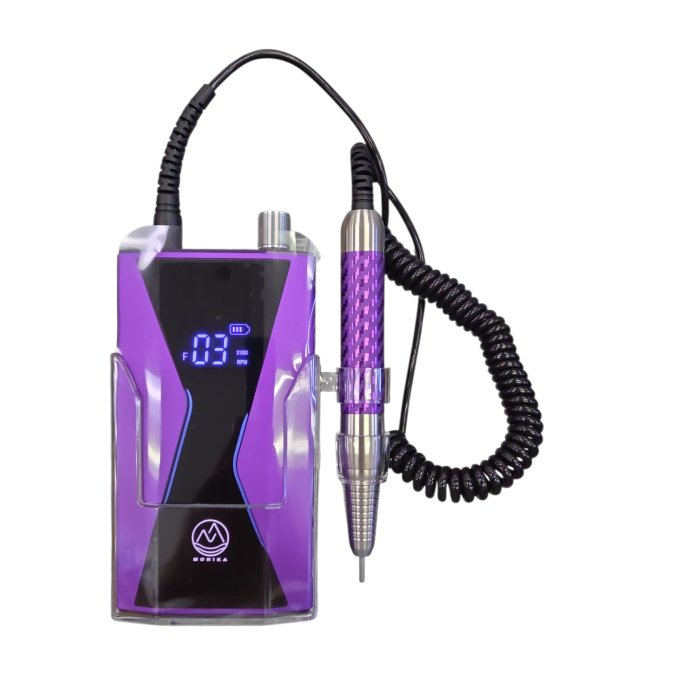
Here's what each status actually means, and who owns the package at that moment:
| Status | What It Means | Who Owns the Next Step |
|---|---|---|
| Order placed | Payment authorized, order in queue | Supplier |
| Processing / Preparing | Warehouse is picking, packing, and verifying credentials | Supplier |
| Label created | A tracking number exists, but the carrier may not have the box yet | Supplier |
| Shipped / Accepted | Carrier has physically scanned the package; transit clock starts | Carrier |
| In transit | Moving through the carrier network between hubs | Carrier |
| Out for delivery | On the local delivery vehicle today | Carrier |
| Delivered | Left at the address or with a recipient | You |
| Exception / Delay | Weather, address issue, damage, or refused delivery | Carrier, then supplier |
The "Label Created" Trap
The single most misread status is label created. A tracking number can be generated hours, sometimes a full business day, before the carrier scans the box.
If you see "label created" for more than two business days with no "accepted" or "in transit" scan, contact the supplier, not the carrier, the carrier can't trace a package it never received.
How the Major Carriers Scan Differently
Scan frequency varies by carrier, changing what "no movement" means:
- USPS: Scans at acceptance, regional hubs, and the destination post office. First-Class and Priority Mail often show a gap of 24-48 hours between the origin scan and the next hub scan, especially on weekends.
- UPS: Typically scans at pickup, each sort facility, and out-for-delivery. Ground shipments crossing multiple zones can go a full business day between scans without anything being wrong.
- FedEx: Similar hub-based scanning to UPS. Home Delivery and Ground may hand off to USPS for the final leg in some rural areas, which adds a day and a second tracking number.
A common pattern: a package shows "in transit" for two or three days, then jumps to "out for delivery" with no intermediate scans. That's normal hub routing, not a lost box.
What to Do When Tracking Stalls
Work through these steps in order; each narrows down who can fix the problem:
- Check the last scan location and timestamp. If the last scan is within 48 hours, wait one more business day before escalating.
- Confirm your shipping address matches what you entered, including suite or salon number. A missing suite number is one of the most common causes of a returned package.
- Check the carrier's service alerts for weather or regional delays along the route.
- Contact the carrier with the tracking number once the package has been in transit for more than the stated service window.
- Contact the supplier if the carrier can't locate the package or if tracking never advanced past "label created." The supplier can file a trace or claim on your behalf.
When to Ask for a Replacement or Refund
If a package is marked delivered but you can't find it, check with neighbors, your salon's front desk, and any mailroom first. Carriers often require a 24-hour wait before opening a missing-package claim; after that, ask the supplier to file one. Most suppliers reship or refund once the carrier confirms loss, but that confirmation can take several business days, so plan your restock buffer accordingly.
Nail Supply Shipping Delays: Causes and What to Do About Them
Nail supply shipping delays rarely come from one source. They stack.
The most common causes are weather, carrier backlogs, incorrect addresses, and stock issues. A snowstorm can push two-day transit into five; a typo in your suite number can send a package back to the warehouse.
When a delay hits, work through it in order:
- Check the tracking status for the last scan
- Confirm your shipping address is correct
- Contact the carrier with your tracking number
- Reach out to the supplier if the carrier can't resolve it
A late delivery is frustrating but usually fixable. The bigger risk is running out of a product you need for booked clients.
Special Handling for Professional-Use Products
Professional-use products don't always ship like everyday retail items. Some need special packaging, some are regulated as hazardous materials, and some are restricted to licensed buyers, each factor can add processing time or limit available shipping methods.
Why Some Nail Products Are Regulated in Transit
Flammable liquids, many acetone-based removers, some primers, certain solvents, fall under U.S. Department of Transportation hazardous-materials rules when shipped, as do aerosols like spray adhesives. The practical effects for a professional buyer:
- Ground-only shipping. Many flammable and aerosol items cannot travel by air, which rules out overnight and some two-day services. If your order includes these, expect ground transit even if you paid for expedited.
- Quantity limits per package. Limited-quantity and ORM-D style exceptions cap how much can go in one box. A large order of removers may be split across multiple packages.
- Special inner packaging. Items must be packed to prevent leakage and secured so they don't shift. That extra step adds time to the pick-and-pack stage.
None of this means your order is unsafe, the supplier is following federal shipping rules. The trade-off is a slightly longer processing window and fewer fast-shipping options on regulated items.
Temperature Sensitivity and Seasonal Delays
Gels, acrylic liquids, and some adhesives are sensitive to extreme heat and cold. In summer, a package on a hot delivery truck can thicken or separate a product; in winter, a frozen monomer can arrive cloudy or unusable. Suppliers often respond by:
- Adding insulated liners or cold packs during peak summer months
- Holding shipments during severe weather events rather than risking product damage
- Routing temperature-sensitive items on faster services when possible, which can raise shipping cost
If you order liquids in July or January, build an extra day or two into your estimate. A supplier pausing a shipment for a heat wave is protecting your product, not delaying you for no reason.
Licensing and Age Verification
Many professional-grade products are sold only to licensed practitioners, so the supplier may verify your license number, salon name, or state-issued credential before the order leaves the warehouse. Verification is usually stored on your account after the first time, but a first-time order or recently renewed license can add a business day to processing.
Protective Packaging and Equipment
Nail lamps, drills, and other equipment ship with foam inserts, molded trays, or double-boxing to survive transit. That packaging is heavier and bulkier than a padded envelope, affecting shipping cost and handling time. If your order mixes equipment with small consumables, the supplier may pack them separately, another reason one order can arrive as two packages with two tracking numbers.
What This Means for Your Timeline
Add these rules of thumb to any estimate that includes regulated or fragile items:
- Regulated liquids and aerosols: add 1 business day to processing, and assume ground transit only.
- Temperature-sensitive products in extreme weather: add 1-2 business days, or expect a short hold.
- First-time licensed order: add 1 business day for verification.
A supplier following these rules is protecting your order and staying compliant with federal shipping regulations. The cost is a little patience; the benefit is product that arrives intact and legal to ship.
Planning Restocks Around Your Salon Calendar
The best way to avoid shipping stress is to stop ordering reactively. Plan restocks around your booking calendar.
Count your busiest weeks. Those are the weeks you can least afford a stockout.
A simple restock rhythm:
- Track your usage per product per week
- Set a reorder point before you hit empty
- Order on a Monday or Tuesday
This turns shipping from a gamble into a scheduled event.
Shipping timelines only feel unpredictable when you're tracking the wrong clock. Separate processing from transit, plan around business days and holidays, and order before you're desperate.
Frequently Asked Questions
How long does professional nail supply shipping usually take?
Most professional nail supply orders ship within 24 to 48 business hours after processing, then spend an additional 3 to 7 business days in carrier transit for standard shipping. Expedited options can shorten the carrier leg to 1 to 3 business days. Total delivery time depends on your location, the shipping method you choose, and whether all items are in stock when you order.
What can delay a professional nail supply order?
Common causes of nail supply shipping delays include peak demand periods, backordered items, payment verification, and carrier disruptions like severe weather. Orders placed on weekends or federal holidays also sit until the next business day. If your order contains items with special handling requirements, like certain liquids or aerosols, it may need extra processing before it leaves the warehouse.
How can I track a nail supply shipment?
Once your order ships, you receive a shipping confirmation email with a tracking number. Enter that number on the carrier's website to see real-time status updates. Tracking statuses typically progress from label created to in transit to out for delivery. If tracking shows no movement for more than 3 business days, contact the supplier's customer service to open a trace with the carrier.
When should a salon reorder essential nail products?
Plan to reorder when you have roughly 10 to 14 days of stock remaining, which covers processing time plus standard carrier transit. If you rely on a specific brand or shade that sells out quickly, add a buffer. Mobile technicians with limited storage should track usage weekly and place smaller, more frequent orders to avoid running out mid-week.